Why Document Preparation Matters
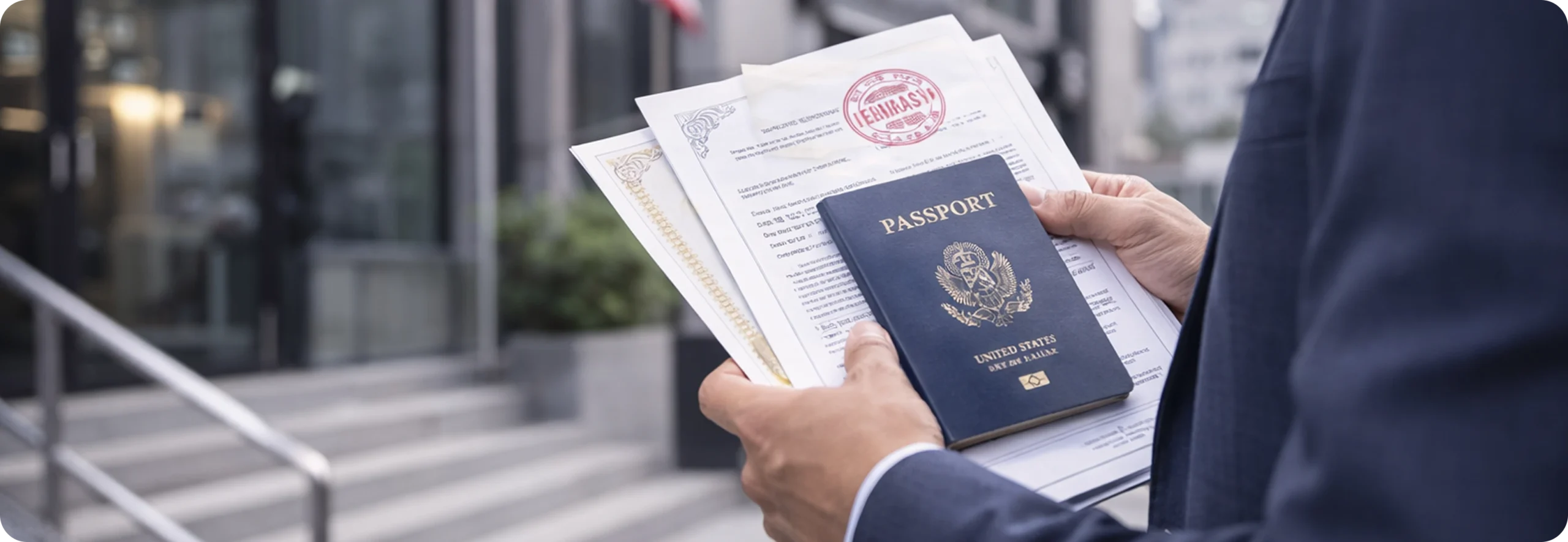
Apostille processing can be delayed or rejected when documents are incomplete, incorrectly notarized, or submitted in the wrong format. Preparing everything properly before submission helps save time, reduces stress, and improves the chances of a smooth approval process.
Whether you are submitting personal, academic, legal, or business documents, the first step is always making sure they meet the required standards.
Confirm the Document Type
Start by identifying exactly what kind of document you need apostilled. Different document types may follow different preparation steps depending on how they were issued and whether notarization is required.
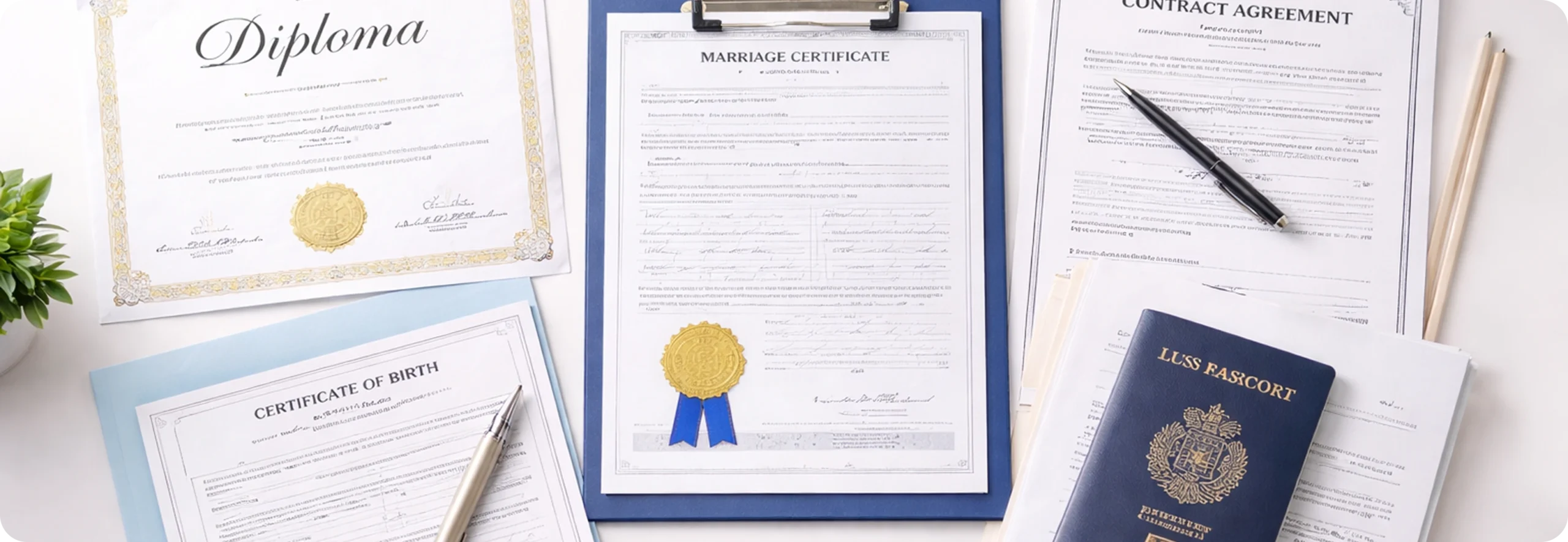
Common documents include:
- Birth certificates
- Marriage certificates
- Diplomas and transcripts
- Power of attorney documents
- Business agreements
- Corporate records
- Court documents
Knowing the document type helps determine the correct issuing authority and the next steps.
Check If the Document Needs Notarization
Not all documents are treated the same. Some official records may need to be certified copies issued by the appropriate authority, while others may first need notarization before they can move forward in the apostille process.
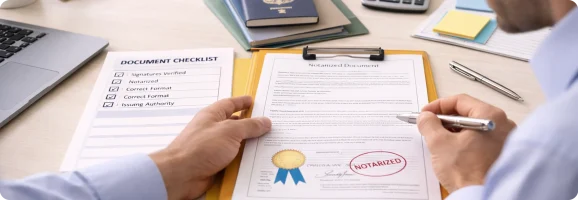
Before submission, make sure:
- signatures are complete
- notarization is present if required
- seals and stamps are visible
- the document is properly dated
A missing or incorrect notarization is one of the most common reasons paperwork gets delayed.
Review Names, Dates, and Details Carefully
Even small mistakes can create major issues during document processing. Review every page carefully to make sure the information is accurate and consistent.
Check for:
- spelling errors
- incorrect dates
- missing signatures
- incomplete pages
- mismatched names across documents
If the details do not match supporting records, the document may need correction before it can be submitted.
Verify the Issuing Authority
Your apostille request must go through the correct authority depending on where the document was issued and what type of document it is. This is especially important for US documents, since different states and agencies may handle different categories of records.
Before moving forward, confirm:
- where the document was issued
- whether it is state-level or federal
- whether a certified copy is required
- whether extra authentication steps apply
Submitting documents to the wrong office can slow the process down significantly.
Make Sure the Formatting Is Acceptable
Your documents should be clean, readable, and professionally prepared. Damaged, cut-off, blurry, or altered paperwork may cause problems during review.
Before submission:
- avoid writing extra notes on the document
- do not staple unnecessary papers together
- keep pages flat and readable
- make sure seals, signatures, and stamps are visible
- organize supporting paperwork clearly
A clean presentation helps prevent avoidable back-and-forth.
Gather Supporting Documents in Advance
Some apostille requests require additional supporting paperwork depending on the purpose of use and destination country. It is always smart to collect everything beforehand so the process stays efficient.
This may include:
- identification documents
- certified copies
- notarized statements
- translation requests
- cover letters or order forms
Having everything ready early keeps the submission process much smoother.