Why This Matters
Not every country accepts apostilles. If your documents are being sent to a country that is not part of the Hague Apostille Convention, embassy legalization may be required instead. Knowing this early helps you avoid delays and submitting your paperwork through the wrong process.
What Is Embassy Legalization?
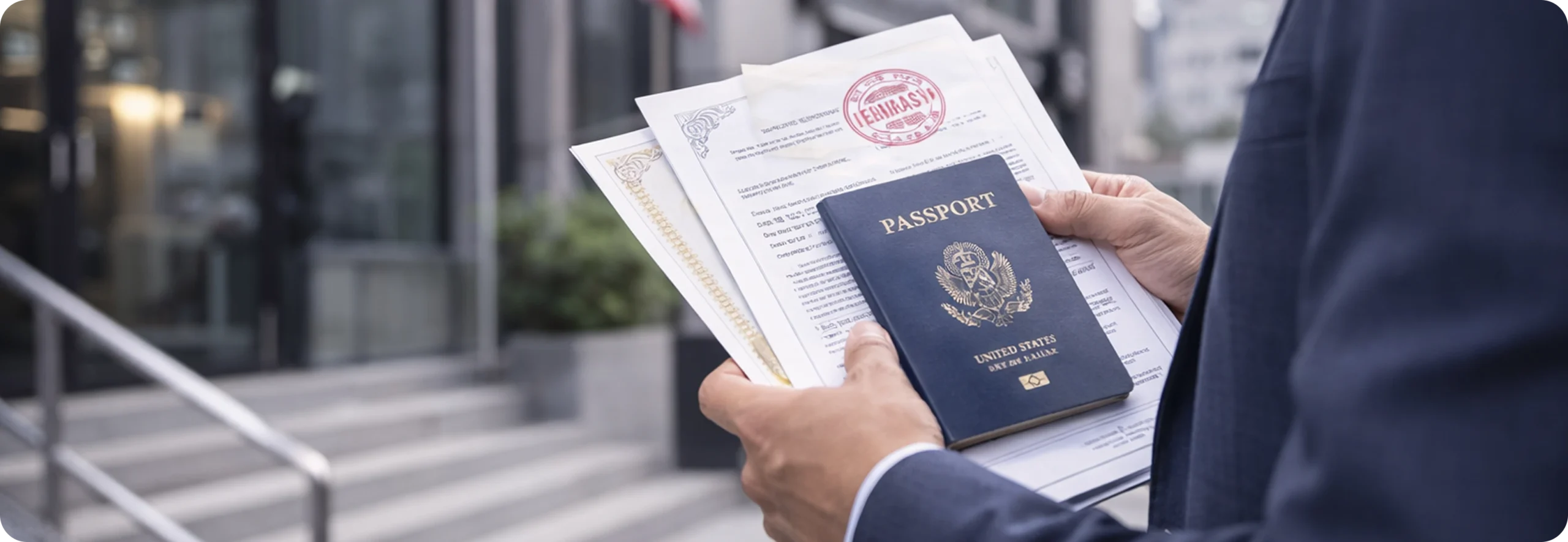
Embassy legalization is a document authentication process used for countries that do not accept apostilles. It usually involves multiple verification steps before the document is accepted for use abroad.
This process may include:
- notarization if required
- state authentication
- federal authentication in some cases
- embassy or consulate legalization
When Is It Required?
You usually need embassy legalization when the destination country does not recognize apostilles. This often applies when you are sending personal, legal, academic, or business documents to non-Hague countries.
Common situations include:
- overseas employment
- international business use
- visa and immigration paperwork
- marriage abroad
- educational applications
Which Documents May Need Legalization?
Many of the same documents used for apostille can also require embassy legalization depending on the destination country and the purpose of use.
Common examples include:
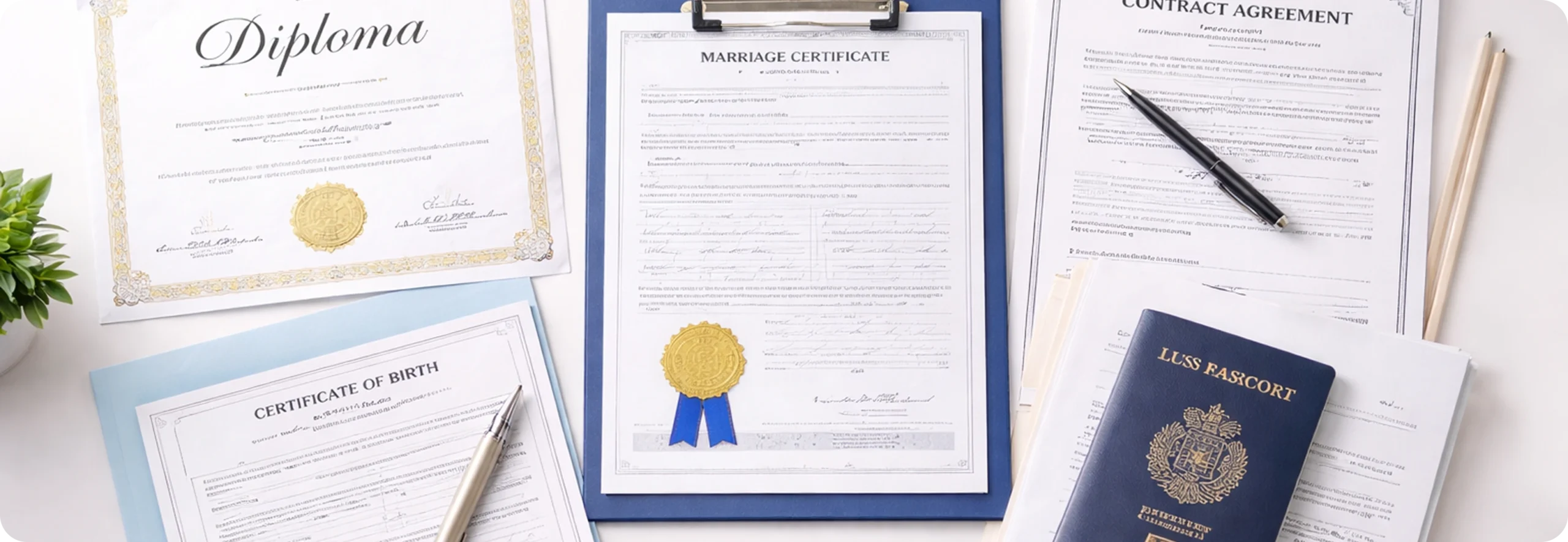
- birth certificates
- marriage certificates
- diplomas and transcripts
- powers of attorney
- business agreements
- corporate documents
- court records
How the Process Differs from Apostille
An apostille is typically a simpler certification used for Hague Convention countries. Embassy legalization usually involves more steps, more review, and country-specific requirements.
Before moving forward, always check:
- the destination country
- whether apostille is accepted
- whether notarization is required
- which authority must handle the document first
How to Prepare Your Documents
To avoid delays, make sure your documents are complete, readable, and properly prepared before starting the legalization process. Depending on the document, you may need certified copies, notarization, or additional supporting paperwork.
Review for:
- complete signatures
- clear seals and stamps
- correct names and dates
- proper issuing authority
- any destination-specific requirements
Gather Supporting Documents in Advance
Some apostille requests require additional supporting paperwork depending on the purpose of use and destination country. It is always smart to collect everything beforehand so the process stays efficient.
This may include:
Choosing the Right Process
The right authentication path depends on where your document is going and how it will be used. If the destination country does not accept apostilles, embassy legalization is often the correct route. Confirming this before submission can save time and prevent costly mistakes
More Apostille Guides To Explore
What Is an Apostille and When Do You Need One?
Learn what an apostille is, when it is required, and how it helps validate US documents for international use.
Apostille vs Notarization vs Legalization
Understand the difference between apostille, notarization, and legalization so you can choose the right process for your document.
How to Get an Apostille for US Documents
A simple step-by-step guide to getting your US-issued documents apostilled quickly and correctly.